



Cervical Spinal Stenosis ( Cervical Spondylosis )

Show More
Introduction

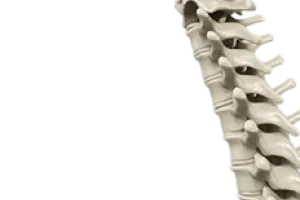
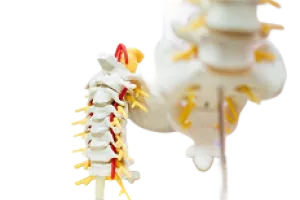
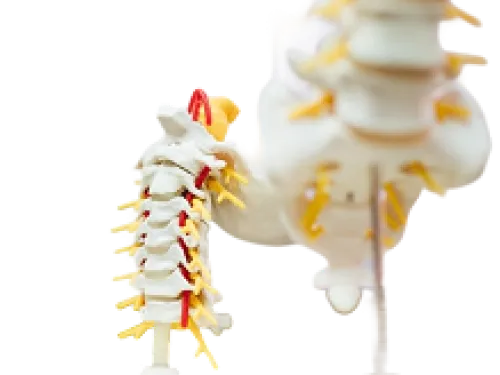
Stenosis means narrowing of a structure and cervical spinal stenosis refers to the narrowing or tightening of the spinal canal in the neck. The spinal canal is the bony tube in which the spinal cord and the nerve roots travel to our arms and legs. It’s narrowing can lead to pinching, squeezing, and compression of the nerve roots or can also damage the spinal cord itself. Eventually, the person will show various symptoms like pain, stiffness, and incontinence.
Cause

Cervical spinal stenosis is a slow and progressive disorder that is usually caused due to age-related degeneration in the shape and size of the spinal canal. It most commonly occurs in people older than 50 years. Other than this, the main causes of cervical stenosis include the following:

  • Overgrowth of bone due to osteoporosis
  • Herniated disks
  • Stiff and thickened ligaments
  • Tumor
  • Spinal injuries/trauma
  • Congenital (narrow spinal canal by birth)
Diagnosis

Diagnosis of Cervical Stenosis

Diagnosis of cervical stenosis starts with a complete history along with a thorough physical and neurological examination of the patient. This will give a good idea about the problem to the physician. But to make sure of the exact diagnosis, several diagnostic tests are carried out including:

  • X-rays
  • Magnetic Resonance Imaging (MRI)
  • CT myelogram (in case MRI is not possible)

Symptoms

Headache

Symptoms of Cervical Stenosis

Some patients may have narrowed spinal canal only as a finding noted on X-ray or MRI but do not have symptoms. This is because symptoms usually appear over a long period when the spinal cord or nerves become squeezed. Symptoms may include:

• Pain and stiffness in the neck, shoulders, arms, hands, or legs
• Neurological symptoms like numbness, weakness, or tingling in a leg, foot, arm, or hand
• Headache
• Balance and coordination problems especially while walking
• Heavy feeling in the legs
• Incontinence (loss of bowel or bladder control)
• If left untreated, it may also lead to paralysis

Treatments

You might take:

Over the counter pain treatment: Common pain remedies such as aspirin, acetaminophen (Tylenol), ibuprofen (Advil, Motrin), and naproxen can offer short-term relief. All are available in low doses without a prescription.
If you have a severe case of spinal stenosis, you might struggle to walk or have issues with your bladder and bowels. Your doctor may recommend a type of surgery to create space between the bones so inflammation can go down. You might get:
Share this post

Do not find what you're looking for?

Our specialists are here to help. Get expert answers tailored to your condition—no waiting, no guesswork