




Head trauma

Show More
INTRODUCTION

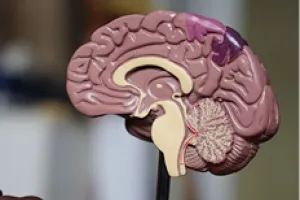
Any type of mild or traumatic injury to brain, skull, or scalp is termed as Head Trauma. It may be either closed or open. A closed injury doesn’t break the skull while an open, or penetrating, head injury breaks the skull and enters into brain.

Common Head Injuries

  •  Concussions
  • skull fractures
  • Scalp wounds
  • Hematoma
  • Hemorrhage
  • Edema
  • Sheer injury
Causes

Causes of Head Injury
Head injury most commonly occurs due to a blow to the head or due to shaking (especially in infants). The major causes of blow to the head include the following:

  • Accidents
  • Fall from height
  • Hit with an object
  • Hitting the ground
  • Physical assault
  • Sports injury
DIAGNOSIS

Diagnosis of Head Injury
In some cases, a doctor may be able to diagnose head injury on physical and neurological examination of the patient. But to diagnose the extent and exact nature of the injury, following diagnostic tests are performed:

  • X-rays
  • Magnetic resonance imaging (MRIs)
  • Computerized tomography scan (CT or CAT scan)

Symptoms

Headache

Common symptoms of head injury include:

· Severe pain, swelling and bruising at the site of injury, under the eyes, or behind the ears
· Bleeding near the location of the trauma, or around the eyes, ears, and nose
· Stiffness of neck
· Headache
· Convulsions
· Drowsiness & fainting
· Confusion
· Visual disturbances
· Nausea and Vomiting
· Loss of consciousness
· Seizures
· Restlessness & irritability
· Drainage of clear or bloody fluid from ears or nose
· Difficulties with balance
· Changes in pupils
· Temporary ringing in the ears
· Serious disorientation
· Memory loss

Treatments

Surgery to treat bleeding in the brain (intracranial hemorrhage) or reduce pressure from brain swelling.
Share this post

Do not find what you're looking for?

Our specialists are here to help. Get expert answers tailored to your condition—no waiting, no guesswork