



Vascular Malformations of Spine

Show More
Introduction

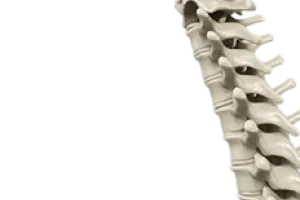
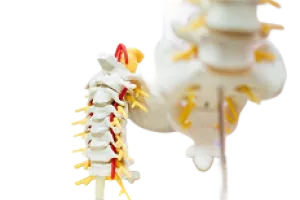
Spinal cord vascular malformations are abnormal connections between arteries and veins in the spinal column due to the absence of small blood vessels or capillaries. This causes the abnormal flow of blood. Spinal vascular malformations include the malformations of the spinal cord, vertebral bodies, the tissue around the spinal cord & the spine, the bones of the spine, or a combination of these. They are serious medical issues that can even result in paralysis if left untreated The disorders include: · Spinal arteriovenous malformations (AVMs) · Dural arteriovenous fistulas (DAVF) · Spinal hemangiomas · Cavernous angiomas · Cavernous malformations · Aneurysms

Cause

Cause of Vascular malformations Although the specific cause of these congenital abnormalities is not known, the following reasons may cause vascular malformations: · Congenital abnormalities of blood vessels occur in the younger patient population · Subarachnoid hemorrhage · Increased venous pressure · Progressive damage to the spinal cord · Trauma in the older population

Diagnosis

Diagnosis of Vascular malformations The diagnosis of malformations requires a complete history of the patient and a thorough physical and neurological examination. This along with following diagnostic tests helps the physician to appropriately treat the abnormality: · MRI · Myelography · Spinal angiography

Symptoms

Headache

Some of the spinal cord vascular malformations are congenital while some develop later in life. They show the following symptoms either acutely or may take several years to appear:

· Either loss of sensations or abnormal sensations such as numbness or tingling
· Sudden onset of pain in back, neck, or leg
· Extreme weakness in the upper or lower extremity
· Loss of bladder and bowel control
· Progressive neurological deficits
· Headache
· Neck stiffness
· Photosensitivity or intolerance of bright light
· Paralysis
· Pain radiating down the legs

Treatments

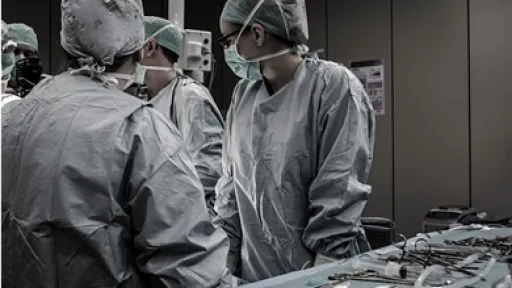
Pain-relieving medications may be used to reduce symptoms such as back pain and stiffness but most spinal AVMs eventually require surgery.
Conventional surgery: In this procedure, a surgeon makes an incision to remove the AVM taking care to avoid damaging the spinal cord and other surrounding areas. Surgery is usually performed when the AVM is fairly small and in an area of the spinal cord that's easy to reach out.
Share this post

Do not find what you're looking for?

Our specialists are here to help. Get expert answers tailored to your condition—no waiting, no guesswork